
Architecture of the East: Mid-Century to Modern Mountain
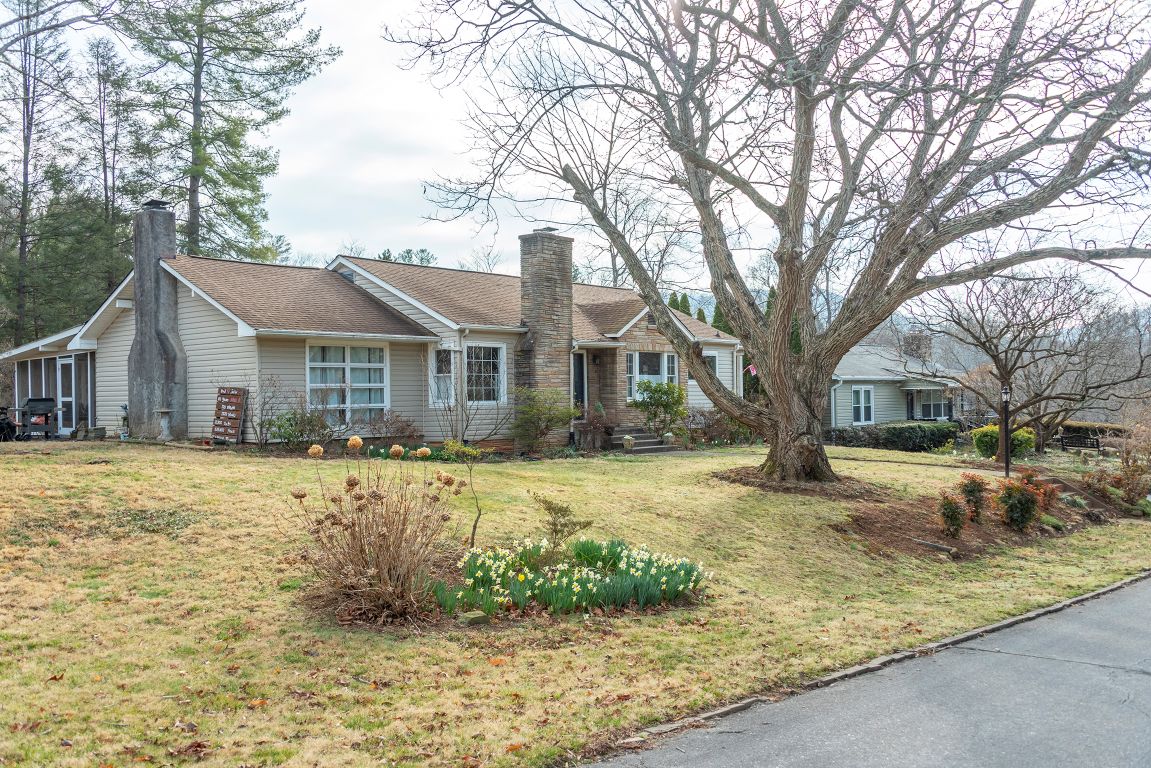
The less touristy, more residential East Asheville region grew in stages through the 20th century, and the resulting housing stock reflects that very pattern. Where Kenilworth, considered as the eastern edge of downtown Asheville neighborhoods, features craftsman and Tudor-style homes from the 1910s-30s, the expansion east from downtown Asheville led to the development of East Asheville pocket neighborhoods along Tunnel Road featuring styles more prevalent in the 1950s-70s. Neighborhoods such as Beverly Hills, Oakley, Haw Creek, and Riceville are most notable along this Tunnel Road Corridor. For a complete overview of East Asheville, be sure to check out our Ultimate Guide to Living in East Asheville.
Home Styles of East Asheville
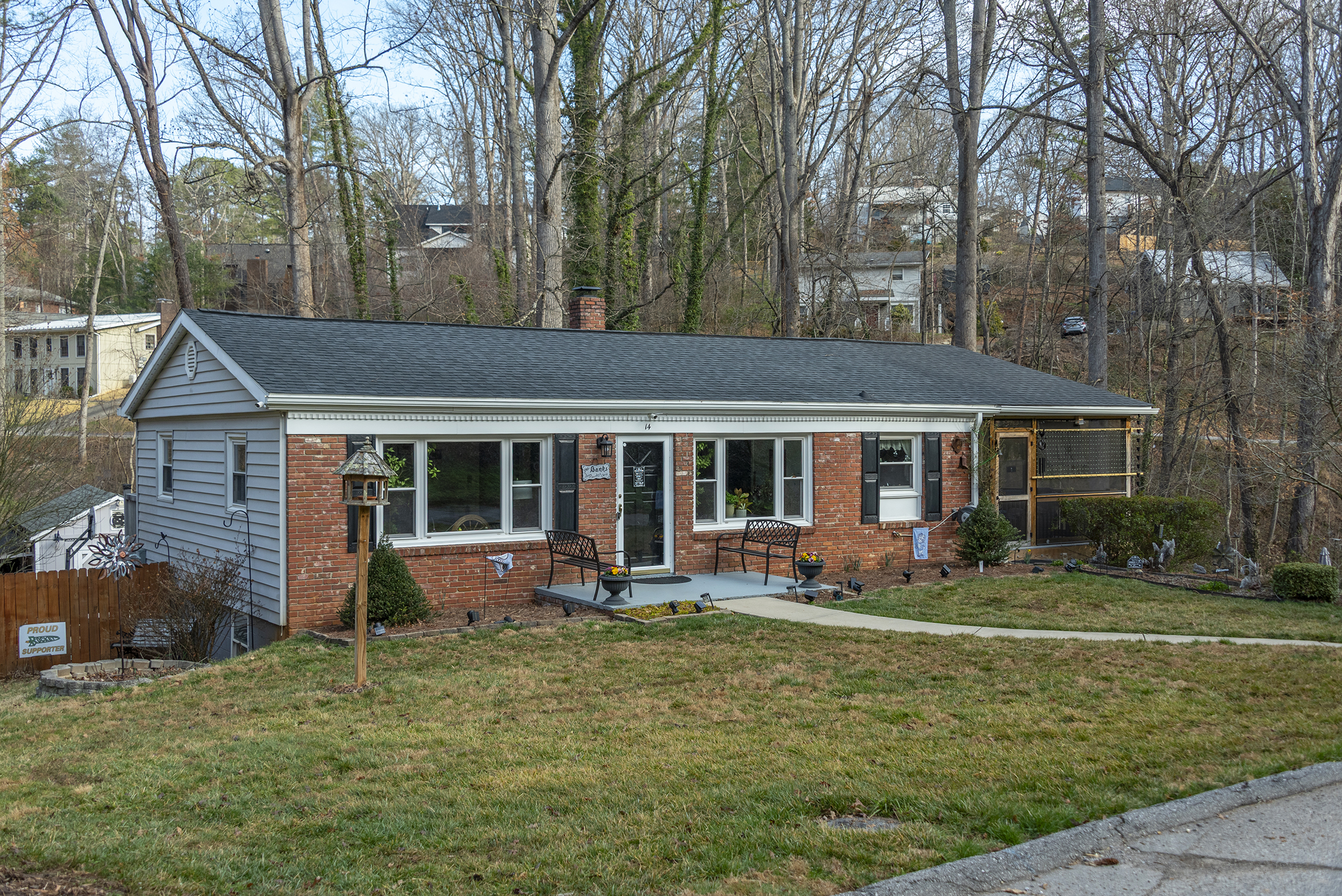
Predominant in East Asheville neighborhoods are single-story ranch-style homes of the mid-century period featuring horizontal profiles and picture windows overlooking the mountains. The Beverly Hills community, surrounding the Asheville Municipal Golf Course (designed by Donald Ross), is a primary destination for these mid-century modern Asheville ranch-style homes. Originally marketed as an escape from the business of Asheville, “The Master Suburb”, of Beverly Hills first experienced development in the 1920s, when historic rock cottages were introduced, particularly along Fairway Drive. This was followed by a boom of development in the 1950s and 60s. Many of the homes built during this time frame featured brick exteriors, hardwood floors, wood-burning fireplaces, and split-level layouts that followed the contours of the sloping terrain and offered decent backyard space.
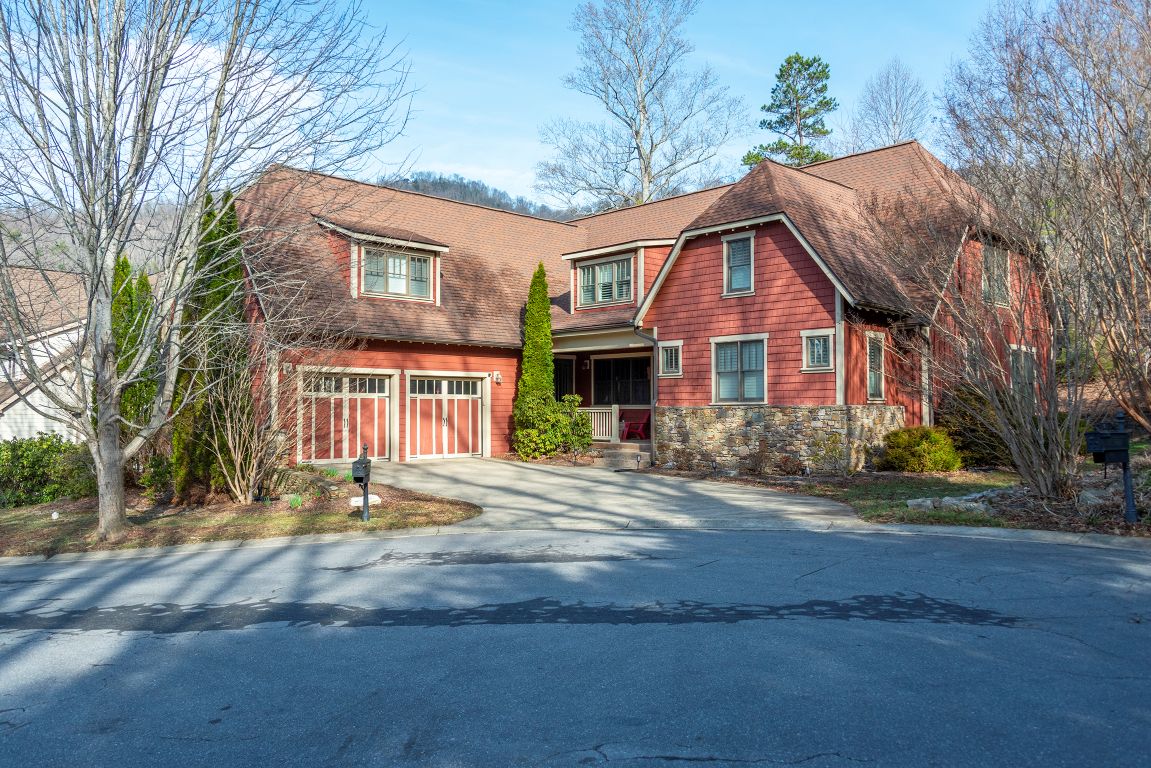
Where Beverly Hills of Asheville tends to include mid-century ranchers and split-level home styles of the 50s and 60s, Haw Creek incorporates a larger proportion of new construction and mountain contemporary homes alongside the mid-century modern Asheville homes found there. Mirroring the history of this historic farming community, farmhouse-style homes from the 1940s can also be found along Old Haw Creek Road. The Haw Creek Valley is home to over 7,000 households, and the housing stock is diverse with brick ranches neighboring new construction Arts and Crafts-style homes—a different experience from that of Beverly Hills. Like Beverly Hills, many Haw Creek homes for sale feature larger yards than could be found in central downtown Asheville. In terms of new construction, Haw Creek Heights features two-story townhomes with views along New Haw Creek Road. “The Meadows at Haw Creek” is another planned development on a 27-acre property.
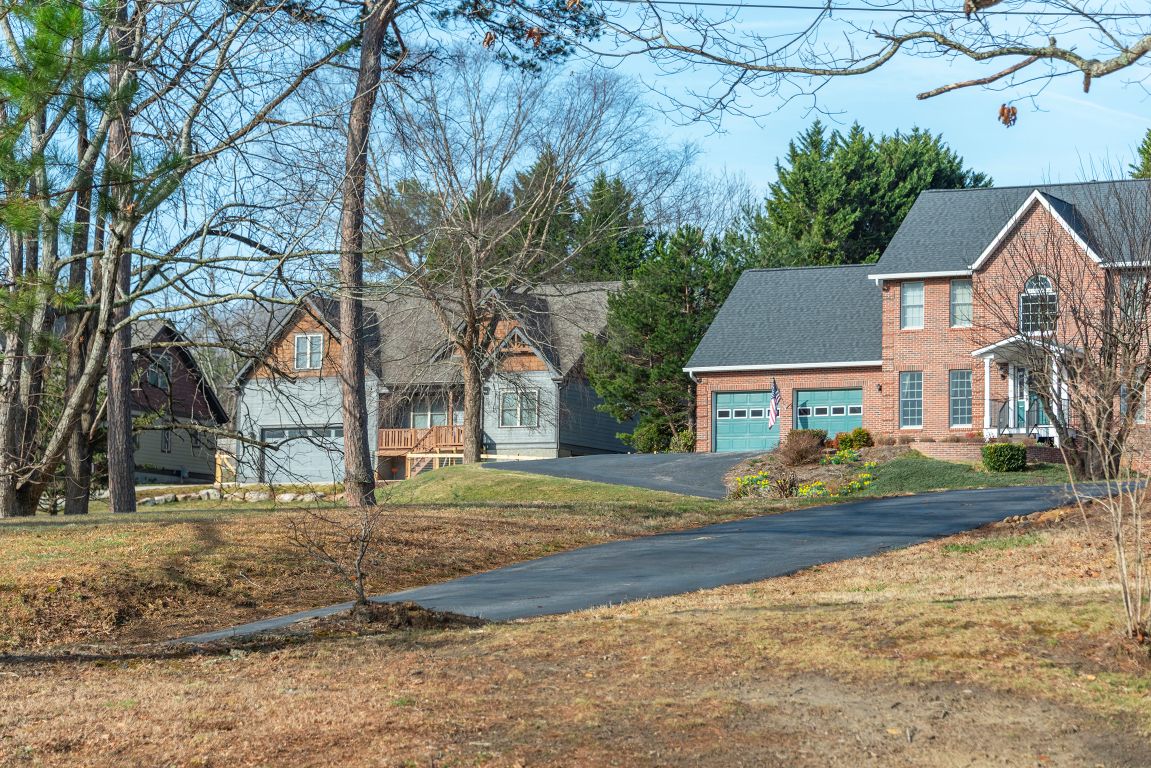 More rural in feel than Haw Creek and Beverly Hills, the Riceville community is found west of Swannanoa and includes the sloping hills of land owned by Warren Wilson College on its eastern edge. The home styles of this region are wonderfully diverse. Riceville feels less like a neighborhood due to its homes and properties of larger lot sizes, many of which are still active pasture land. Riceville is home to historic farmhouses situated along the Swannanoa River, rural cabins and cottages, and designated subdivisions such as Riceville Meadows (developed in 2006). There are also a variety of luxury home communities around Riceville. Sovereign Oaks, for example, promotes green building techniques and renewable energy production with an emphasis on backyard farming. Homes often feature mountain views and access to the Swannanoa River as well, adding to the community’s overall appeal. There is also Buffalo Mountain, Riverbend Forest, Riceville Forest—all of which seamlessly integrate into the natural world in which they are constructed and prioritize land and privacy.
The charming Oakley community is a bit more central to Asheville while still sitting right outside of it —aligning Biltmore Village and the Blue Ridge Parkway. It is known for its tight-knit community feel and streets lined with craftsman-style bungalows. Like other neighborhoods in East Asheville, Oakley evolved from its agrarian roots into a working-class suburb in the early 20th century due in large part to Sayles Bleachery’s establishment within the community. In fact, there are 79 worker cottages still standing today in the original Sayles Village in Oakley.
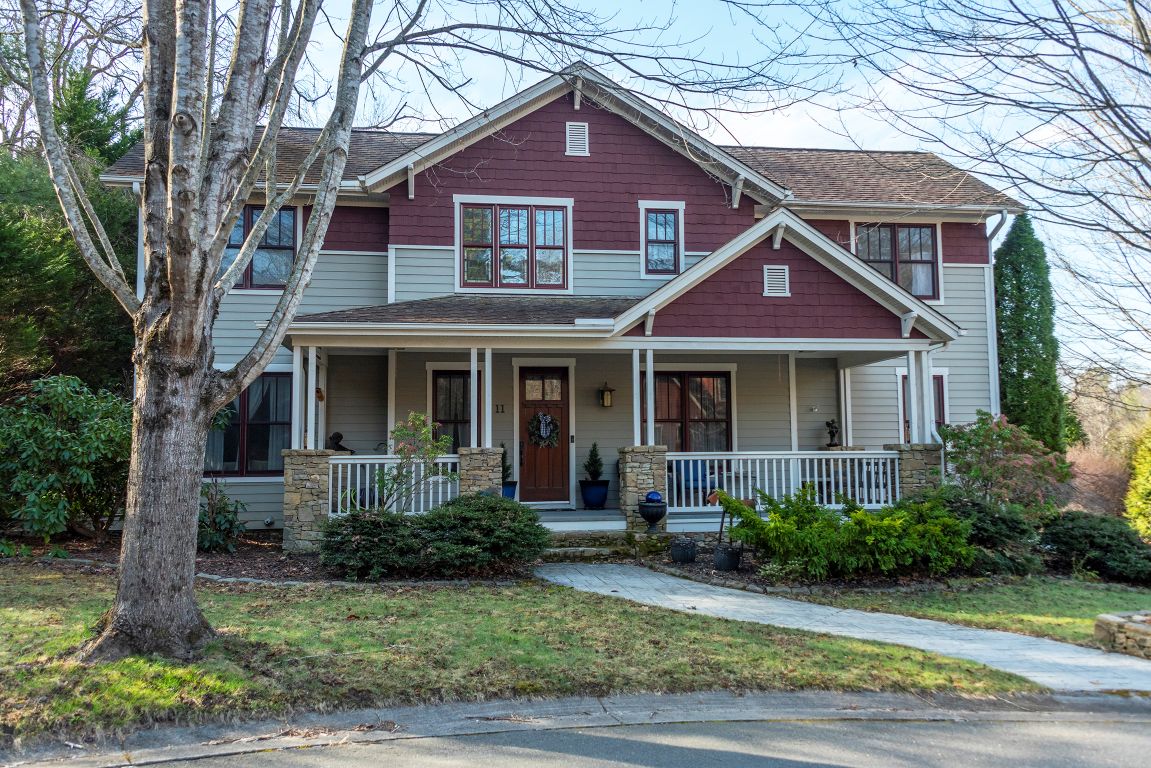
A common thread of East Asheville homes for sale is the architectural diversity that reflects cyclical development over the 20th century—from sleek new construction, or "mountain contemporary homes," to classic brick ranches to charming cottages. This intriguing variety of home styles helps the region avoid a “cookie-cutter” feel, showcasing architectural character shaped by the era in which they were built. All of the East Asheville neighborhoods are located within minutes of Tunnel Road, a bustling hub of retail stores and restaurants, not to mention centrally located to staple attractions like Highland Brewing, the WNC Nature Center, and the Folk Art Center along the Blue Ridge Parkway. The area is still very decidedly residential, with ease of access to commercial activity, striking the perfect balance between city and country life. East Asheville homes also tend to offer real estate entry points for median prices well below what downtown Asheville neighborhoods might require. Accessibility, architectural appeal, and abundant open land make East Asheville a highly desirable place to find a home and put down roots!