
Gateway to the Blue Ridge: Parkway Access & Hikes
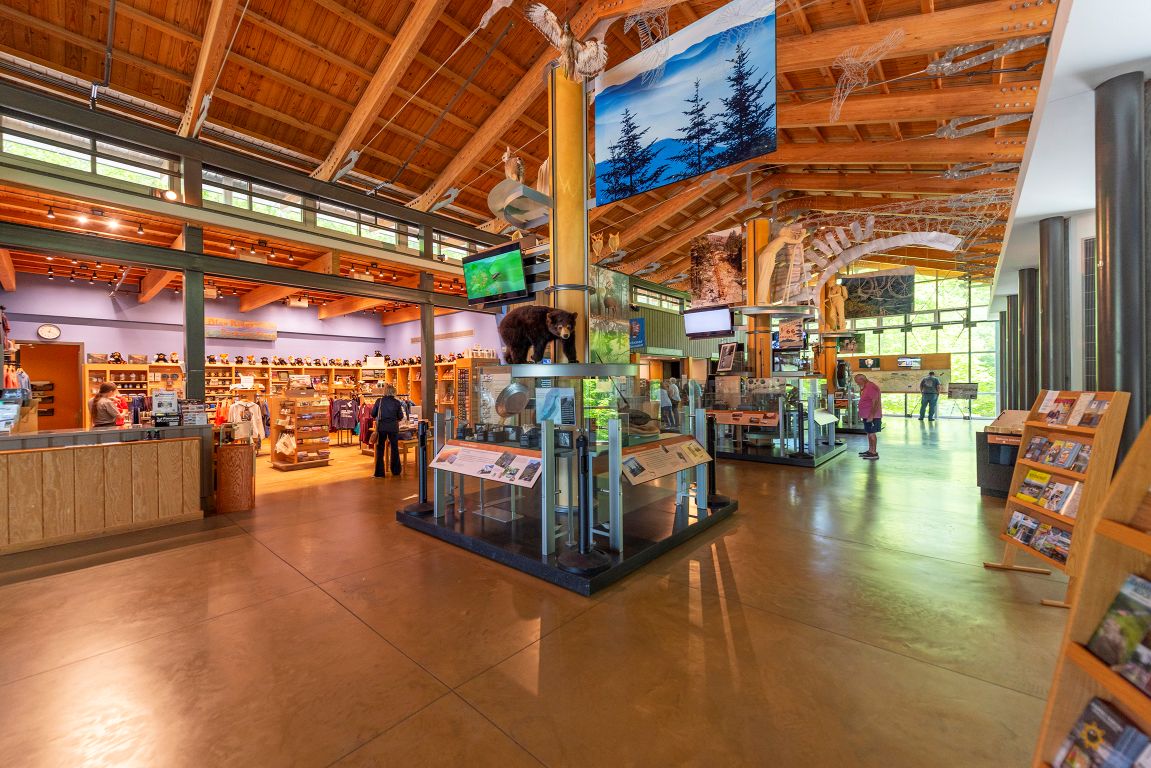
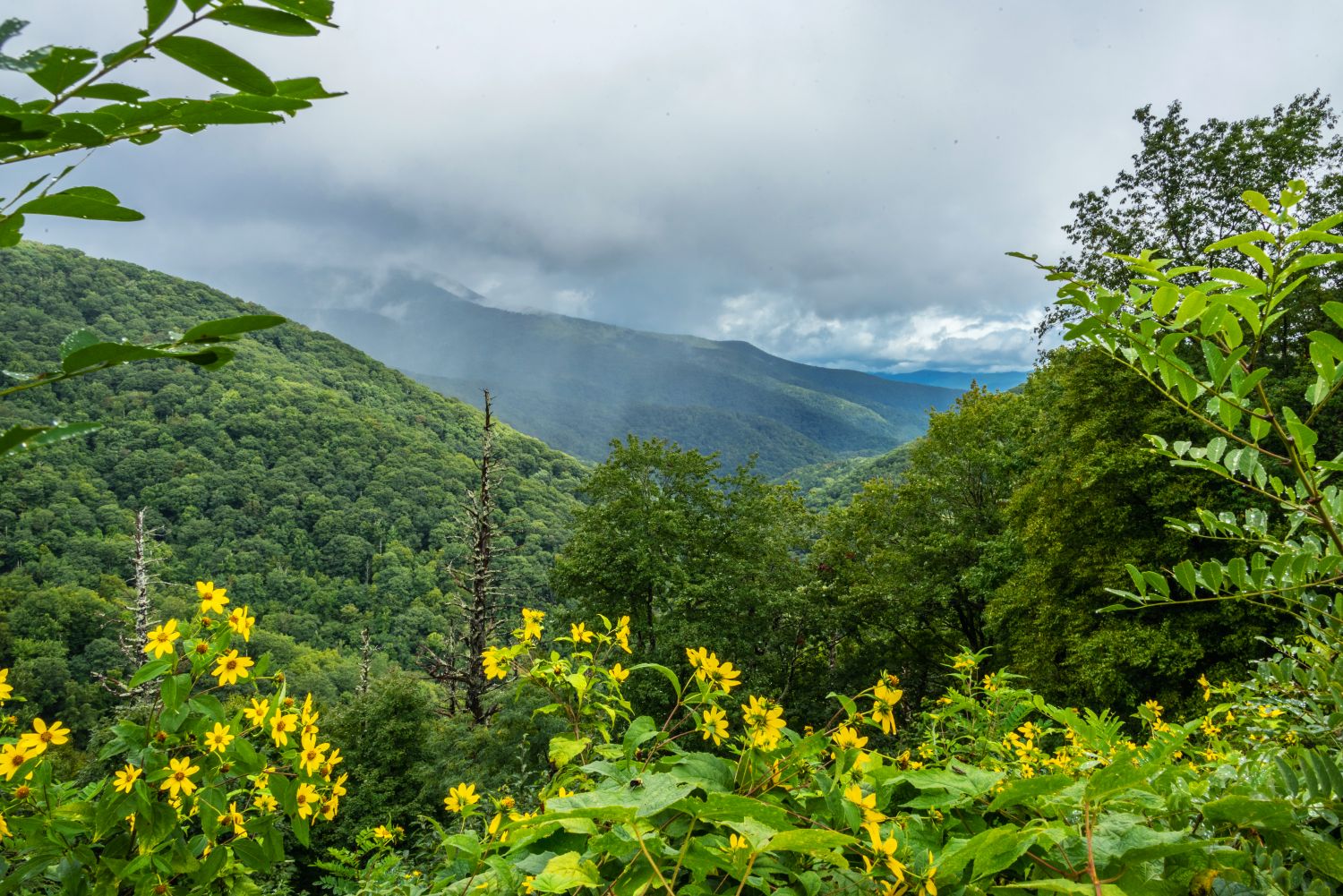 America’s Favorite Drive, a 469-mile highway that spans from Shenandoah National Park in Virginia to the Great Smoky Mountains National Park in North Carolina, draws an estimated 15 million people each year. The Blue Ridge Parkway is the most visited National Park in the United States and has been almost every year since the mid 1940s. A stretch of 114 miles that runs from Mt. Mitchell, the tallest mountain east of the Mississippi River, to Cherokee, NC, tends to see the most traffic from those in and around Buncombe County. An 11-mile stretch (Milepost 382-393) of the Blue Ridge Parkway has access points to various regions of Asheville including the Haw Creek neighborhood, and one of the most readily utilized access points is the Folk Art Center Asheville and Blue Ridge Parkway entrance at MP 382.5. This entry point of the Parkway is just minutes from the best of East Asheville's restaurants. The WNC Nature Center is minutes away and provides a great opportunity to see local wildlife up close. A couple of miles south is the official Blue Ridge Parkway Visitor Center, located at milepost 384. Having world-class scenic highway entrance points right outside your door defines the lifestyle here; learn more in our Ultimate 2026 Guide to East Asheville.
Hiking Along the Blue Ridge Parkway
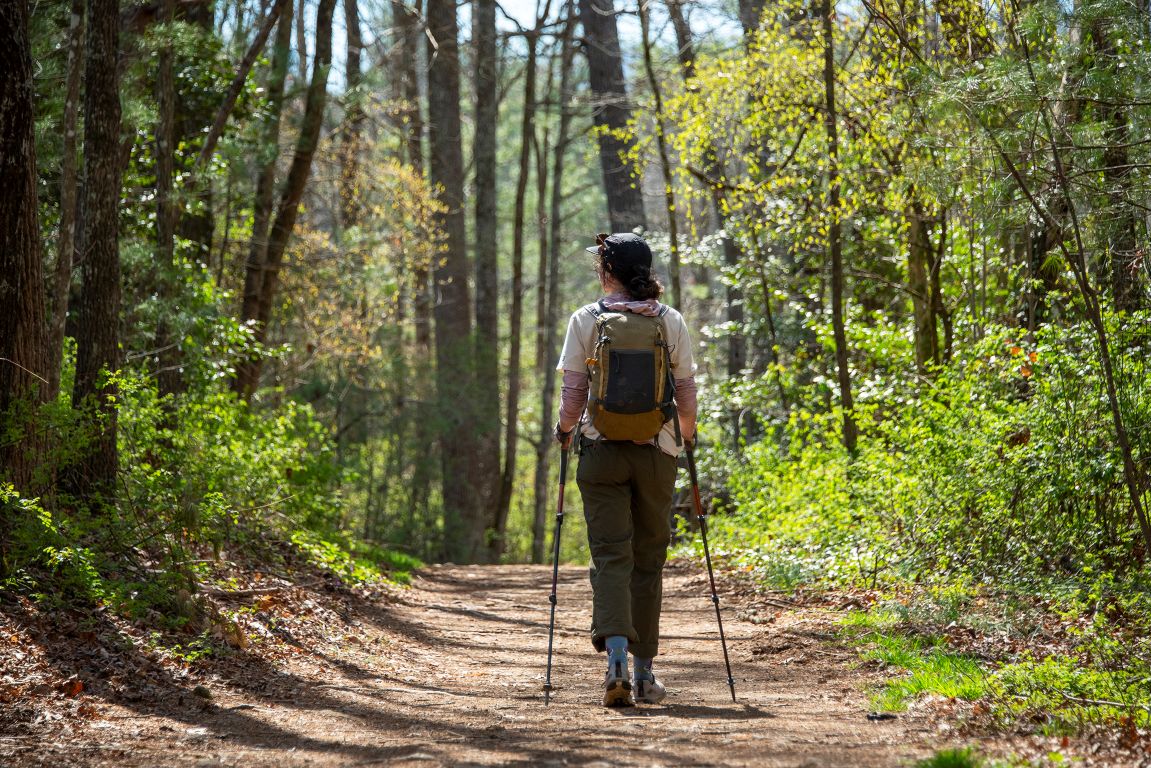
For those living in the East Asheville area and the broader region, the Blue Ridge Parkway is simply one of the best access points for local trailheads—especially those with sweeping mountain vistas. This is largely because the Blue Ridge Parkway naturally provides access to high-elevation trailheads, many of which are located near the Great Craggies and epic Pisgah National Forest. It isn’t uncommon to utilize the Parkway to access hikes that exceed 4,000-5,000 feet in elevation, and ultimately top out Mt Mitchell’s 6,684-foot peak. The Parkway also runs alongside portions of the Mountains-to-Sea Trail (MST). While the trail system is still in progress, portions of the trail have been in place for nearly 50 years. While hundreds of miles of the trail can be accessed from alongside the Parkway, a continuous 60-mile section runs from Mount Pisgah to Craggy Gardens.
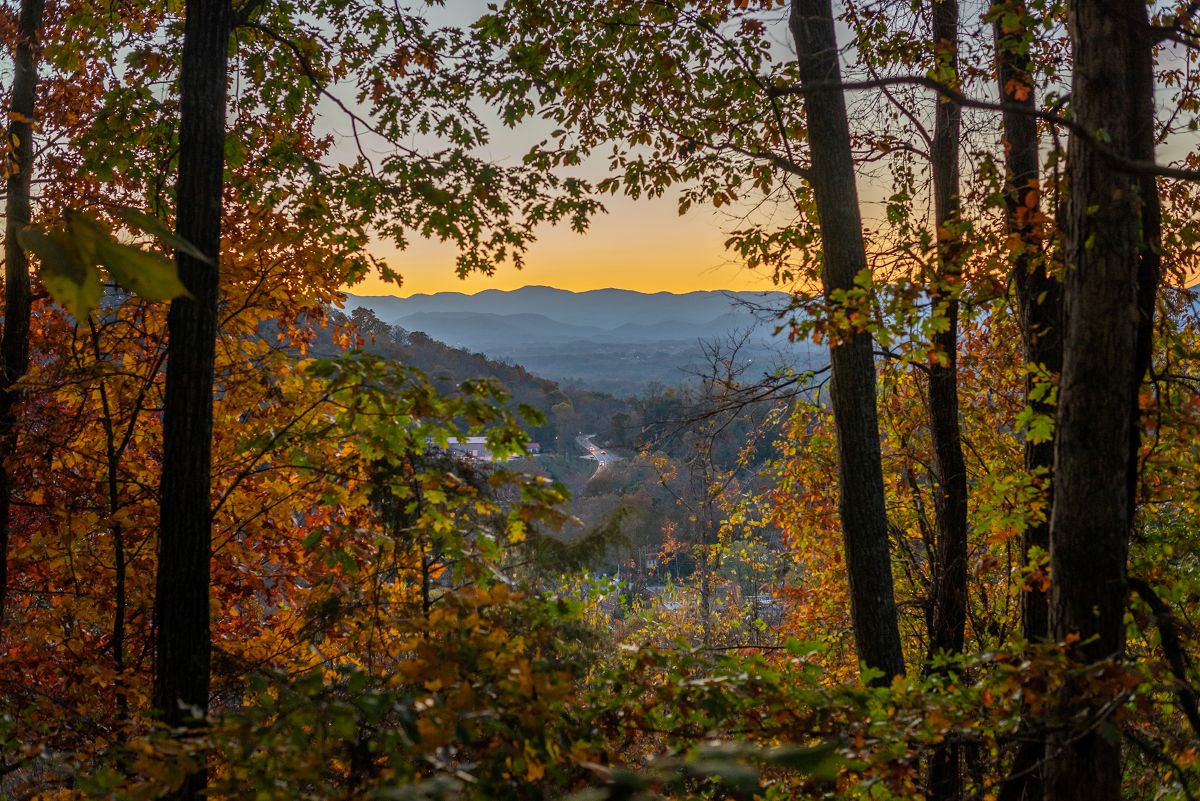
Most Notable Blue Ridge Parkway Hikes Near Asheville
Craggy Gardens–One of the most iconic stops along the Blue Ridge Parkway, Craggy Gardens spans multiple mileposts. The Craggy Pinnacle trailhead is accessible from MP 364.1, and the Craggy Gardens Visitor Center is accessible at 364.4. The Craggy Gardens Picnic area and Craggy Gardens trailhead are located at 367.6. The picnic area itself sits at 5,680 feet in elevation. Most hikers choose either the Craggy Pinnacle hike, a 1.4-mile round-trip hike to a nearly 6,000-ft ft summit (well, 5892 ft to be exact), or the Craggy Gardens Trail, which can be easily accessed from the picnic area. While beautiful 360-degree mountain views are on display throughout the year, it shines in early-mid June when the vibrant Catawba Rhododendron flowers are in bloom.
Graveyard Fields– Located at MP 418.8, approximately 37 miles south of Asheville, Graveyard Fields sits at 5,120 ft in elevation. The area’s name comes from the old tree stumps that were left behind, resembling gravestones. Graveyard Fields is a great blend of mountain views and waterfalls. The main loop is 3.2 miles, which takes hikers to both the Lower and Upper Falls. For a simpler hike, the Lower Falls is a .5 mile round trip hike and is a sought-after swimming spot during the hotter summer months
Black Balsam Knob– Located near Graveyard Fields, Black Balsam Knob soars above the Parkway at MP 420.2. Via the Art Loeb Trail, hikers can reach Black Balsam Knob’s 6,214 ft grassy bald summit for amazing 360-degree views framed by the towering dark pines of its namesake. The hike can easily be extended with visits to neighboring peaks like Tennett Mountain and Sam Knob.
Mt Mitchell State Park– Known as the highest peak east of the Mississippi River, Mt Mitchell and its corresponding State Park is in Asheville’s backyard (about 35 miles from the city). The State Park is open 7 am-8 pm daily and is free to enter. It’s also relatively accessible, as visitors can take a 0.1-mile paved trail from the upper parking lot to the observation tower. There are other great hikes accessible from Mt Mitchell, such as the walk from Deep Gap Trail to Mount Craig (2.1 miles), an impressive 6,647 ft elevation, just shy of Mt Mitchell’s 6684. Mount Mitchell also has a cafe and eatery that is open seasonally, May through October. Summit views and snacks? Count us in.
Mount Pisgah– Another impressive feature of Asheville hikes is Mount Pisgah, which is a 3-mile round-trip hike to the 5,721 ft summit. Located at MP 407.6, Mount Pisgah is also easily accessible to the Pisgah Inn at MP 408.7, which offers lodging, a wine bar, and a restaurant with floor-to-ceiling window views of the surrounding peaks.
The History of the Blue Ridge Parkway
Construction of this scenic roadway began in 1935 in Cumberland Knob, North Carolina, and took a total of 52 years to complete. The project took off around the time of the Great Depression at the direction of President Franklin D. Roosevelt, effectively giving work to people who needed it during a challenging economic period. Stanley L. Abbott is called the “Father of the Parkway,” as he and his design team crafted the roadway to highlight the mountain views and help visitors discover waterfalls. Many of the landscaping and trails were developed by the Civilian Conservation Corps, part of Roosevelt’s “New Deal” work relief program. The final piece of the Parkway, the Linn Cove Viaduct, was completed in 1987 near Grandfather Mountain. The engineering marvel is one of the most photographed spots along the Blue Ridge Parkway.
One fun fact is that many of the men who helped construct the Parkway with the Civilian Conservation Corps lived in a campus of barracks near Biltmore Village. They called the location Forestry Camp. Today, Forestry Camp is owned and operated by Burial Beer, whose owners purchased the property in 2015. Today, it operates as a brewery featuring 24 rotating taps, plus wine and cider from VISUALS (another brainchild of Burial Beer owners). There is also a full kitchen on-site serving up an impressive farm-to-table menu.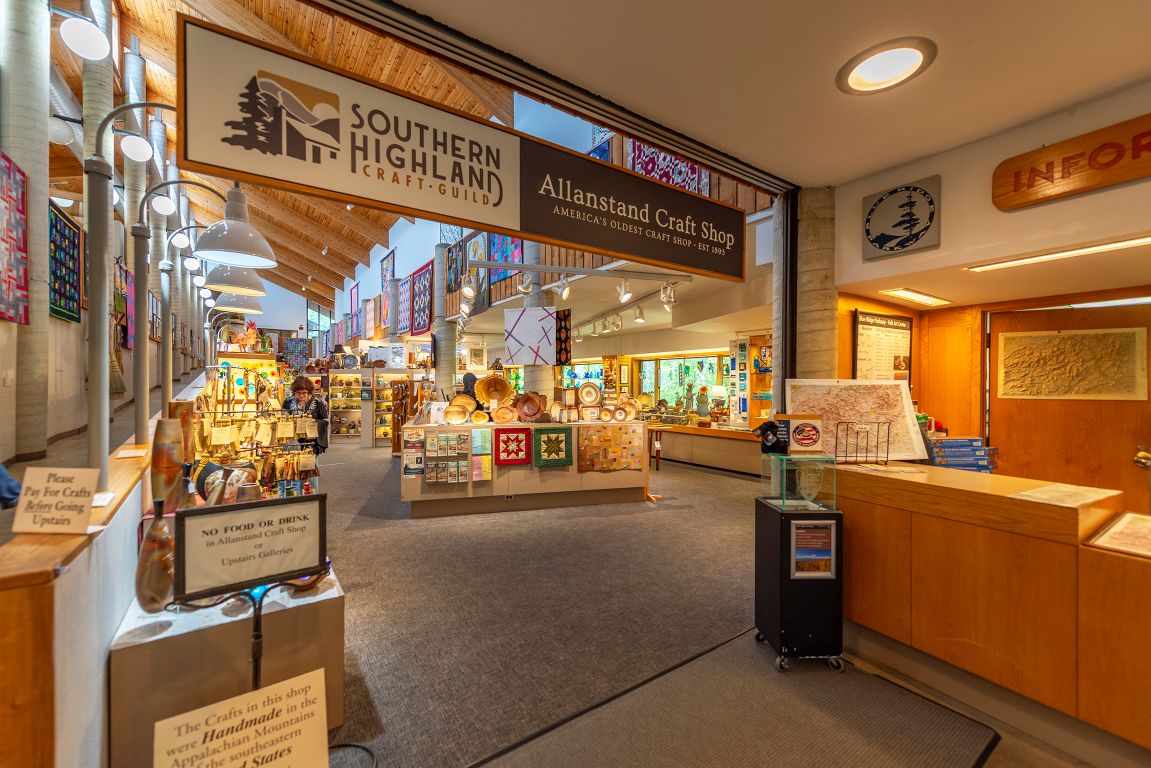
The Folk Art Center + Southern Highland Craft Guild
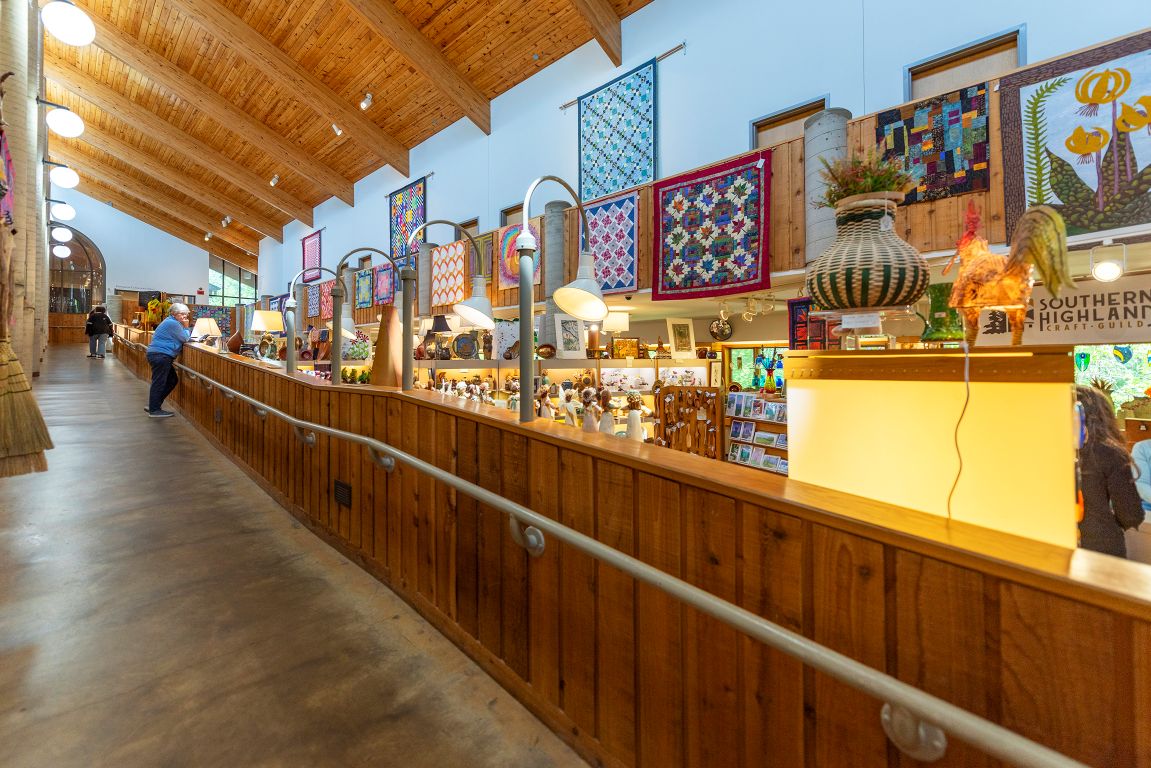
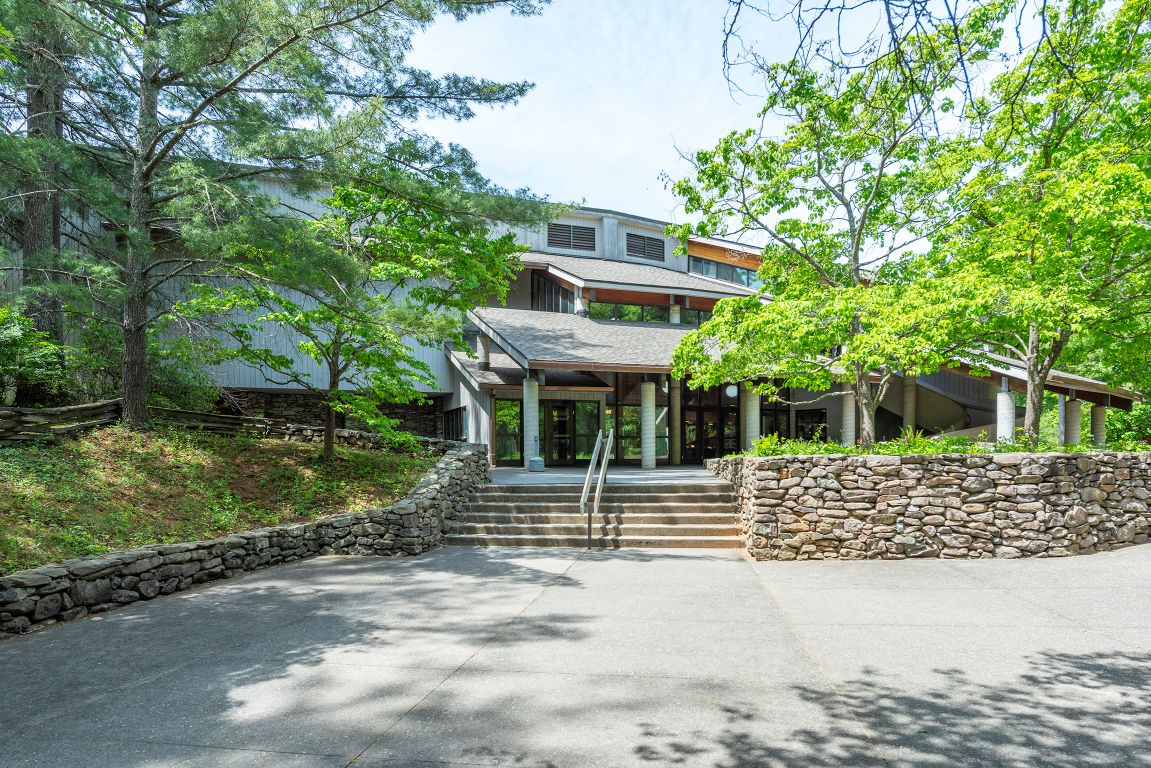
The Folk Art Center of Asheville, located off exit 55 on I-40, is positioned along America’s Favorite Scenic Drive, the Blue Ridge Parkway at Milepost 382. The Folk Art Center is home to the Southern Highland Craft Guild, which has been around for nearly 100 years. The organization, which includes juried members from 9 different states, supports working Appalachian artists—over 800 makers. The Folk Art Center features rotating and stationary exhibitions of local craft, pottery, quilts, drinkware, and sculpture while also operating a retail storefront for a variety of crafts. East Asheville is also located 10 minutes from Black Mountain, home to the storied Black Mountain College, another foundational player in Asheville’s treasured art culture.
Craft Fairs & Events
Curious about the precision and inspiration that go into the art on display? During Asheville’s busier months (typically March through December), artists from the Southern Highland Craft Guild host educational demonstrations in the Folk Art Center lobby daily. Enjoy captivating handweaving on historical looms, traditional woodturning, broom-making, quilting, glassblowing, and more. These are fantastic opportunities to chat with resident artists and learn more not only about the history of craft in Appalachia, but also about the artistic process.
Along with these daily demos, the SHCG also hosts an educational event series (with more than a dozen members in attendance) on a rotating basis, including Glass, Metal, and Clay Day, Fiber Day, Wood Day, and Heritage Weekend, where you’ll find live music, family-friendly activities, and the World Gee Haw Whimmy Diddle Competition. You also don’t want to miss the annual Craft Fair of the Southern Highlands (in July and October) at Harrah's Cherokee Center, the Craft Making & Thinking Conference in September, or the Holiday Sales in December—aka the perfect occasion to find unique Christmas gifts for those you love!