
West Asheville Bungalows: A Buyer's Guide to Historic Character and Modern Infill Housing
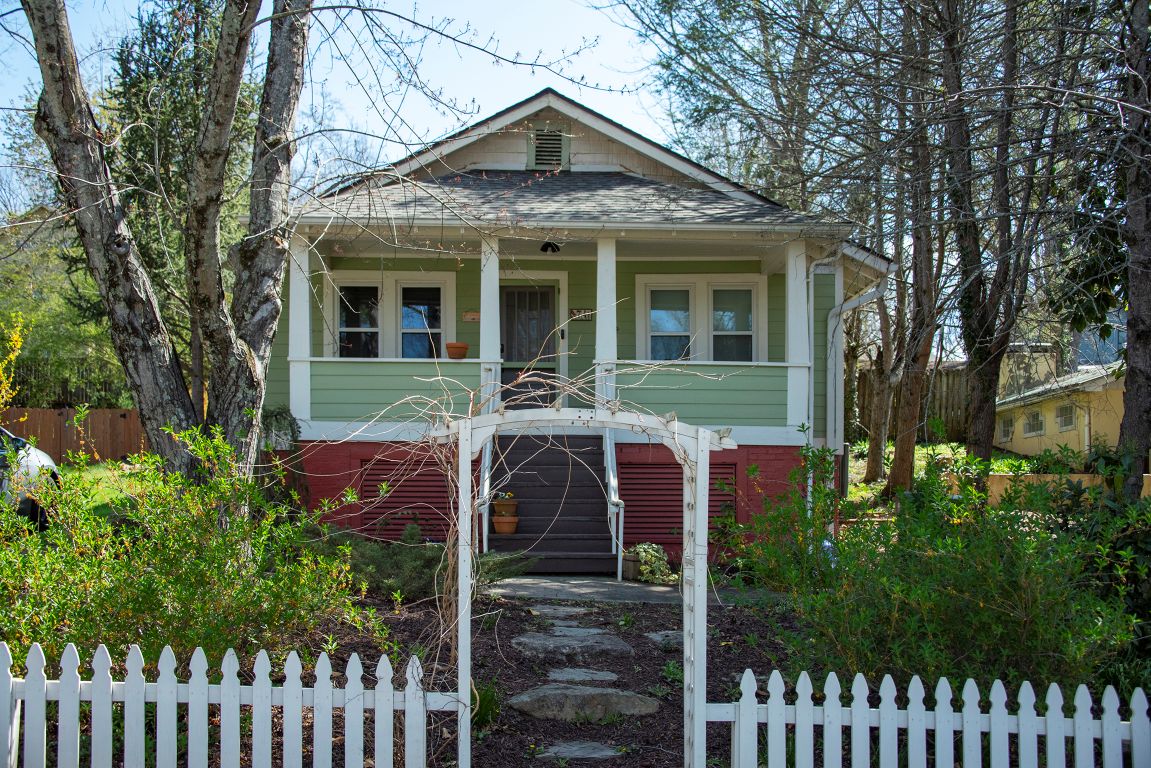
Blending Old with New in West Asheville
West Asheville is iconic for its range of historic craftsman bungalows bursting with vibrant and funky colors, sitting side by side with more modern infill homes. The walkable and innovative Haywood District draws a crowd with its award-winning restaurants and vintage shops. The historic West Asheville region may not have the same historic notoriety as Montford, Asheville’s earliest planned neighborhood, but part of its charm is the individuality of each home and neighborhood. Understanding the historic charm of these homes is essential for any buyer; see how they fit into the neighborhood's fabric in our Ultimate Guide to West Asheville.
West Asheville's established neighborhoods are anchored by mid-century homes. The Asheville-wide median build year is 1982 which suggests that half of the city's homes are over 40 years old. Certain pocket neighborhoods are designated historic districts, such as the West Asheville-Aycock School Historic District (around 400 Haywood Road) and the West Asheville End of Car Line Historic District (around 715-814 Haywood Road), and most buildings in these areas also date back to the 1970s or before.
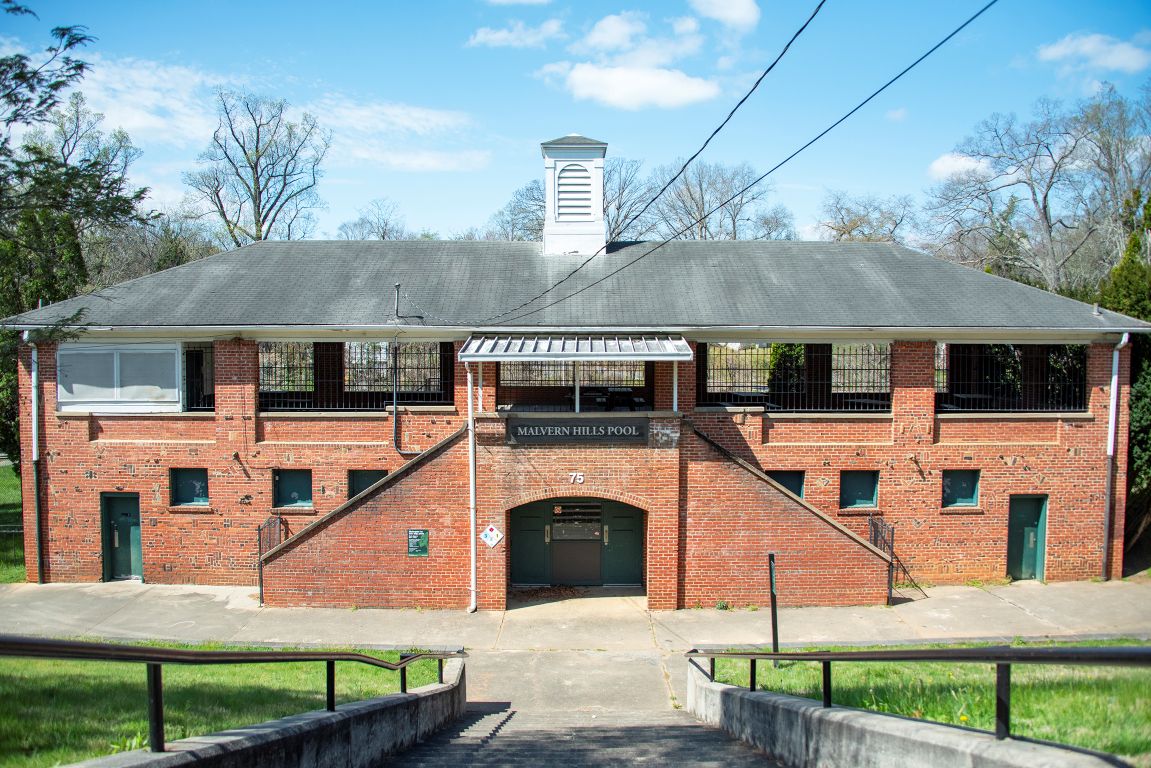
While 1920s-40s homes with craftsman style bungalows can be found throughout West Asheville, concentrated clusters of the homes are noticeable in the aforementioned Aycock School District and between Haywood Road and Westwood Place. In addition, the Malvern Hills neighborhood, which is situated between Bear Creek Road, School Road, and Wendover Road, was first established in 1925. The Malvern Hills neighborhood includes around 200 homes along sidewalk-lined streets.
Like other neighborhoods in West Asheville, home styles are varied and include Tudor and Bungalow styles along School Road, mid-century ranches along Wendover Road and Bear Creek Road, and more modern architectural styles included on the newly constructed Malvern Walk loop. Malvern Walk was established on 10 acres of the former Far Acres Estate and includes 30 upscale and green built homes on an average of quarter-acre lots. Some homes include views and offer quick access to the Malvern Hills Park and the Hominy Creek Greenway.
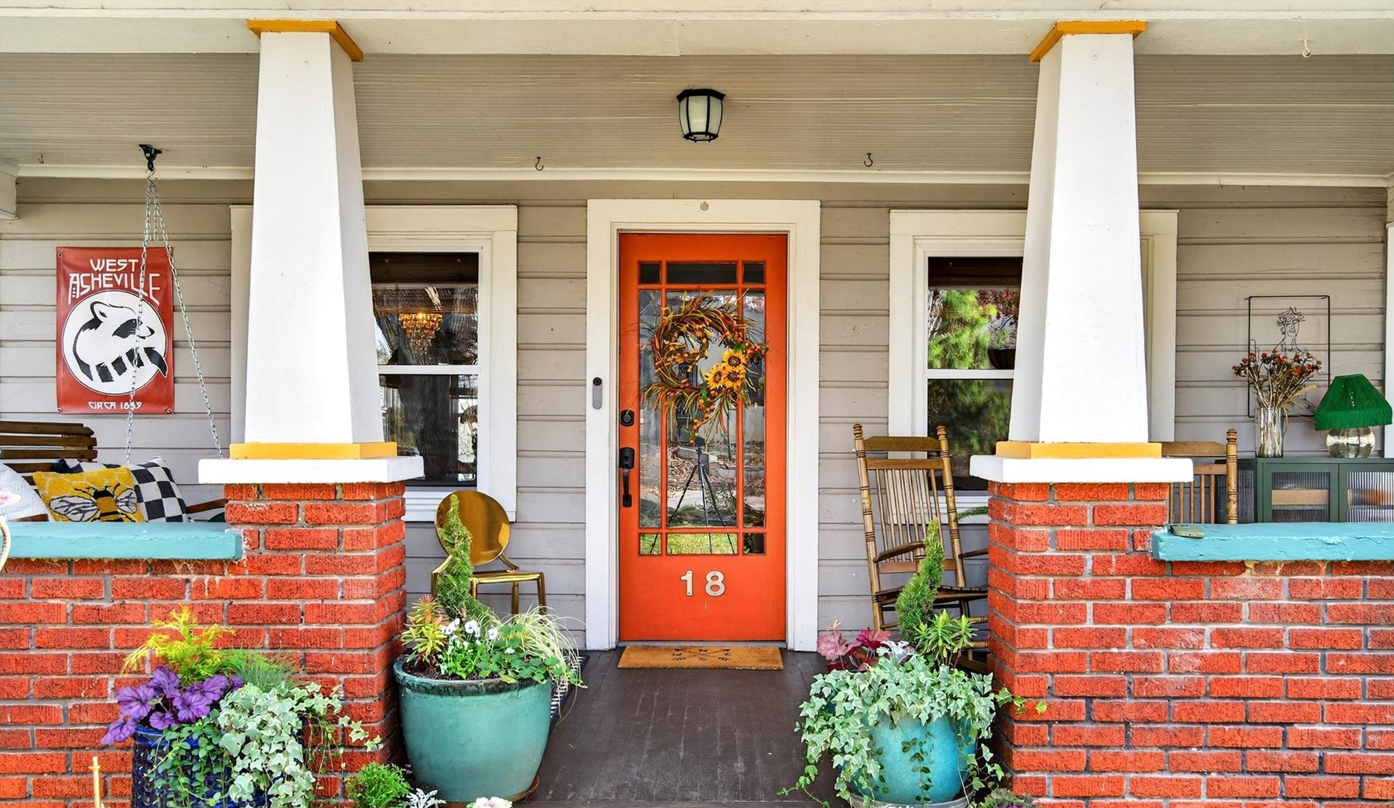
Updating a West Asheville Fixer Upper
For historic homes, the architectural features in these neighborhoods are consistent with the Arts and Crafts and Craftsman styles, which include features like expansive front porches, low-pitch gable roofs, tapered columns, exposed rafters, and the utilization of natural materials. Due to West Asheville’s popularity, many of the historic bungalows have been renovated to today’s standards. However, there are still occasional situations where homes that have been in a family for a generation come to market as a canvas ready for a personal touch— both to modernize the home and make its historic charm shine to its fullest potential.
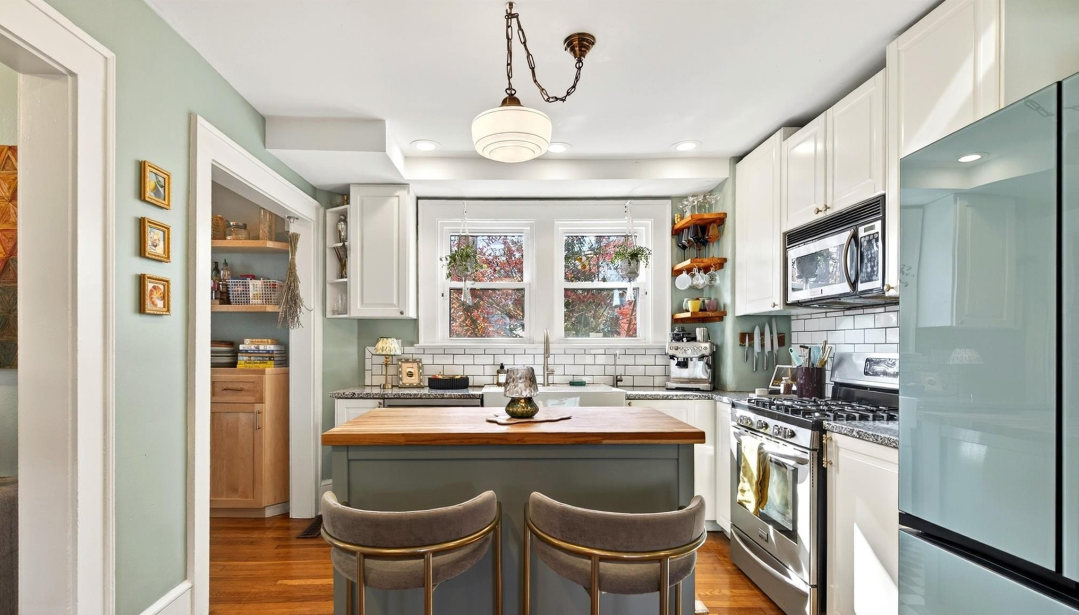
Here are some initial considerations of renovations to West Asheville homes that were built in the 1920s-1940s:
Coordinate with a licensed contractor to ensure that electrical and plumbing systems align with modern-day safety codes
Have the structural integrity of the home inspected. Over time, homes can experience settling in their foundation or water damage
Update poor insulation and schedule an evaluation of the presence of lead-based paint, asbestos, and other environmental hazards
Consider hiring contractors who have experience in historic preservation; you could also reach out to the Preservation Society of Asheville and Buncombe County as a resource.
Historic features, like brass fixtures, crown molding, built-in cabinets, picture rails, fireplaces, expansive front porches, and hardwood floors, are all features to consider maintaining. Buyers could also strip and restore original Craftsman-style doors, which often boast clean lines and decorative glass inserts.
It is not uncommon for homes that were built between the 1920s and 40s to have smaller rooms. Some buyers may be interested in having a contractor evaluate the possibility of opening up walls to create more of an open concept.
Other considerations may include renovating the kitchen and baths to modern styles while retaining the vintage character of other living spaces.
As a fully local agency with agents who live and work in the region, our GreyBeard Realty team is well acquainted with both the historic charmers of West Asheville and the newer infill housing developments. Our team is well acquainted with West Asheville market trends and can help you come to an informed decision. Whatever step in the real estate process you find yourself in, we are happy to be a resource to you during your search for your ideal West Asheville home for sale .